Website Presence
Публичный сайт становится входом в бизнес-систему.
Website Presence объясняет бизнес, формирует доверие, принимает интерес и передаёт его в CRM-слой, а слои автоматизации, контента, портала и AI-операций разворачиваются вокруг него.
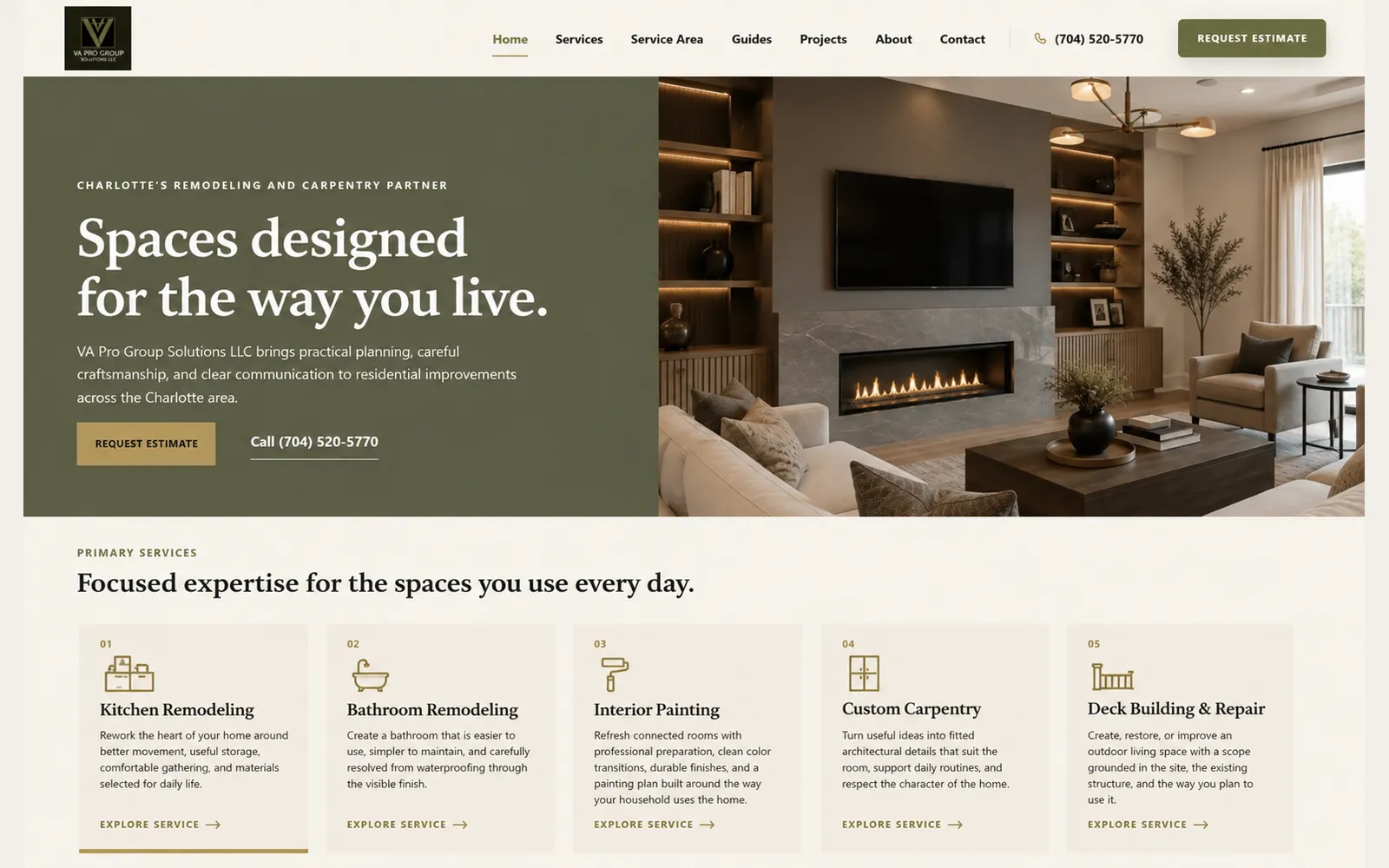
Сделан так, чтобы его находили и чтобы он передавал работу дальше
Уникальные заголовки и описания, правильная структура заголовков, структурированные данные, sitemap и основа Google Business Profile делают страницы находимыми. Каждое обращение становится записью в CRM Core, а не письмом в общем почтовом ящике.
A website should produce business information, not just traffic
A business website should do more than generate visits.
The real question is what happens after someone arrives.
Which page brought the inquiry? Which service was the visitor interested in? Did they complete a form, request information, or leave without taking action? Was the inquiry answered? Did it become an estimate, a project, or nothing at all?
If the website stops at sending an email notification, most of that context is lost.
Website Presence is designed so an inquiry can enter the business with its source and relevant context attached. That gives the CRM and the Owner a clearer view of where work is coming from and what happens after the first contact.
This matters because traffic by itself is not a business result.
A website can receive hundreds of visits and still fail if the business cannot tell which pages produce qualified inquiries or whether those inquiries are actually being handled.
The goal is to connect public visibility with operational follow-through.
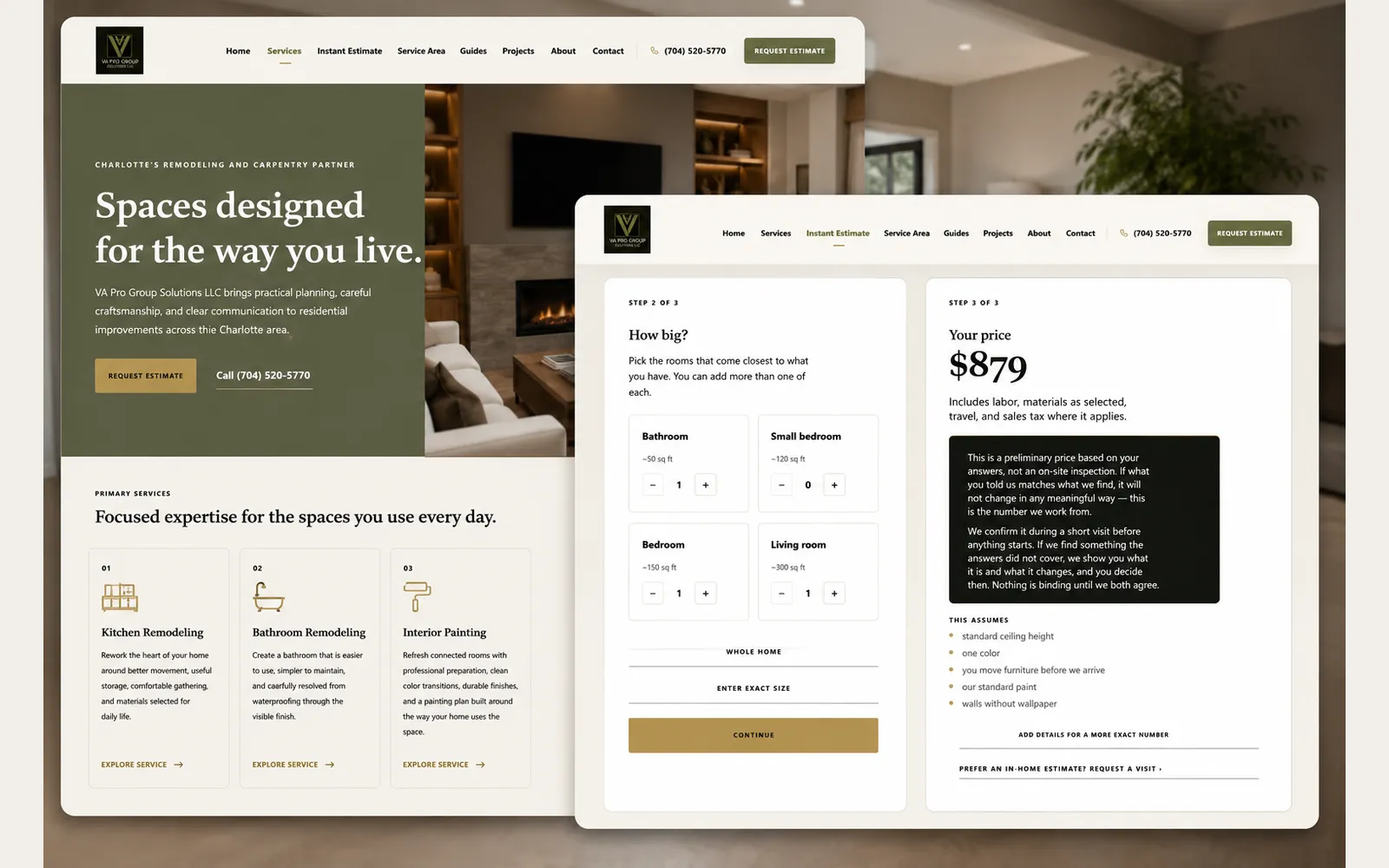
Built for people first, and structured so search systems can understand it
Search visibility starts with clear information.
A page should make it easy to understand what the business offers, who the service is for, where it is available, what the process looks like, and what the visitor should do next.
That clarity helps people make decisions.
It also gives search engines and AI systems better information to work with.
Website Presence is structured around unique page titles, descriptions, headings, internal links, structured data, canonical URLs, sitemaps, accessible media, and clear page topics.
But technical SEO is only the foundation.
The content itself still has to be useful, specific, and accurate.
A page created only to target a keyword without answering a real customer question is not a strong business asset. A useful page should explain the subject well enough that a potential customer can understand the service and that a search system can identify what the page is actually about.
The objective is not to manipulate search rankings. The objective is to create pages that deserve to be found because they clearly represent the business.
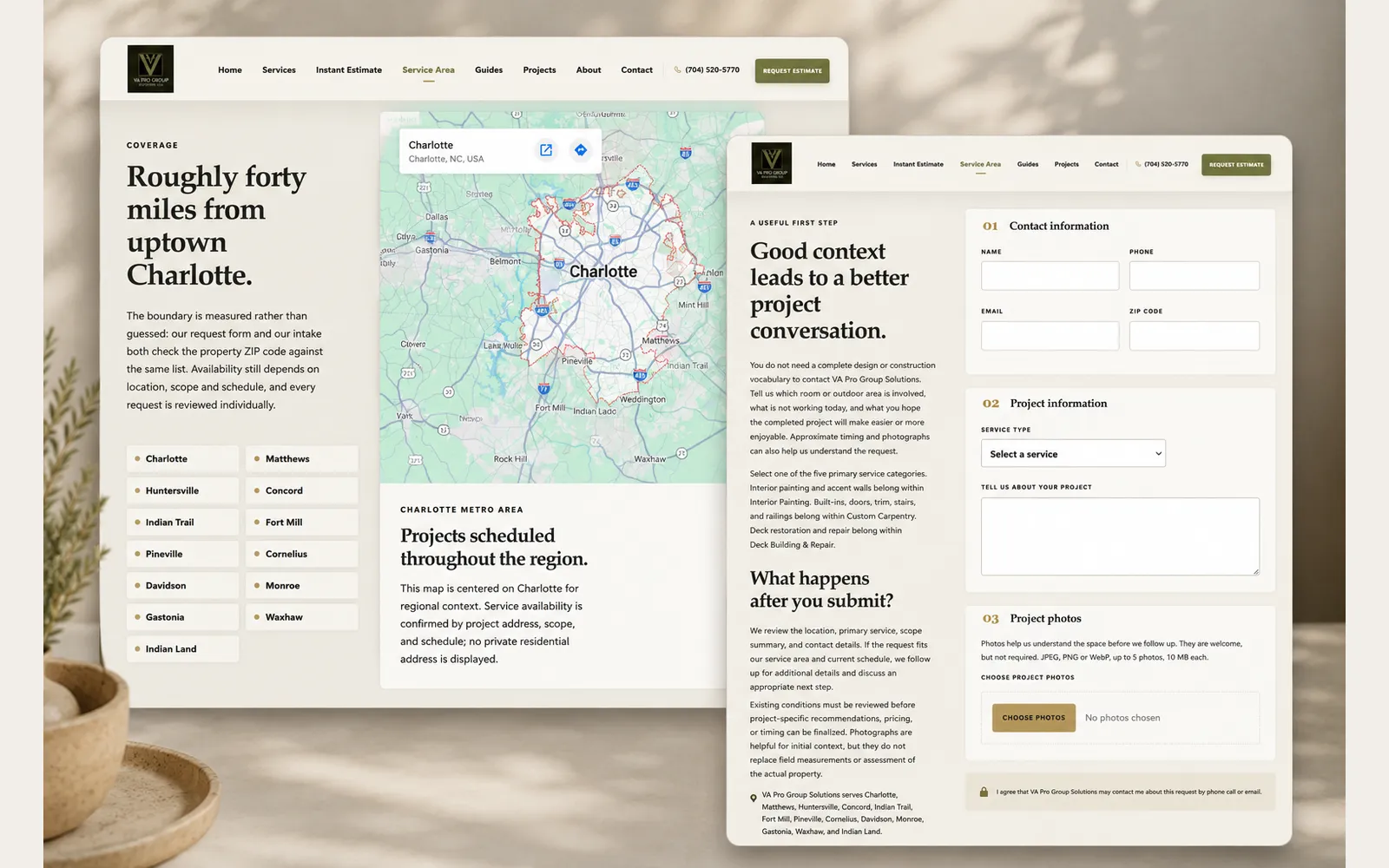
A website should support trust before the first conversation
For many customers, the website is the first place where they decide whether a business looks credible enough to contact.
That decision is influenced by more than design.
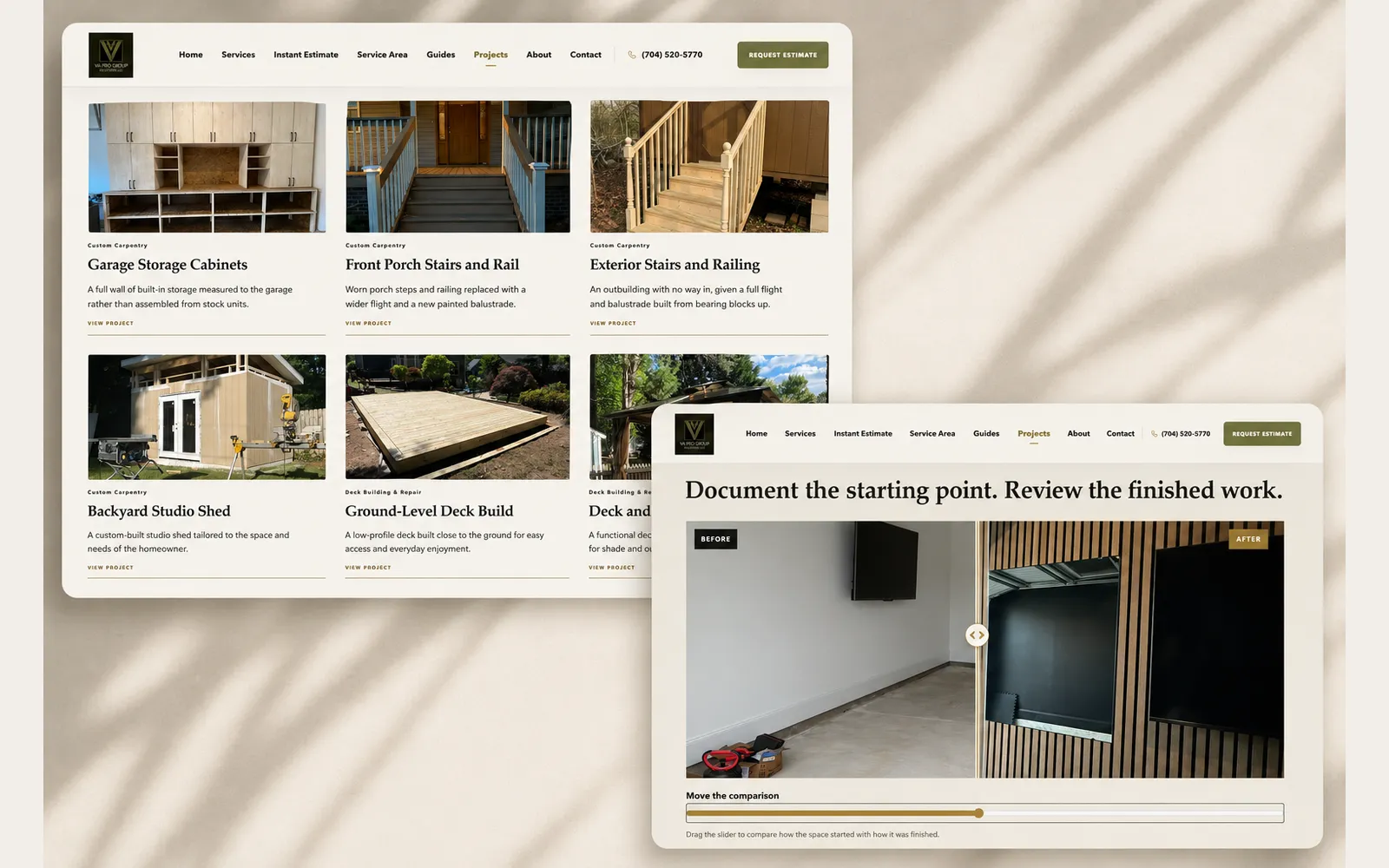
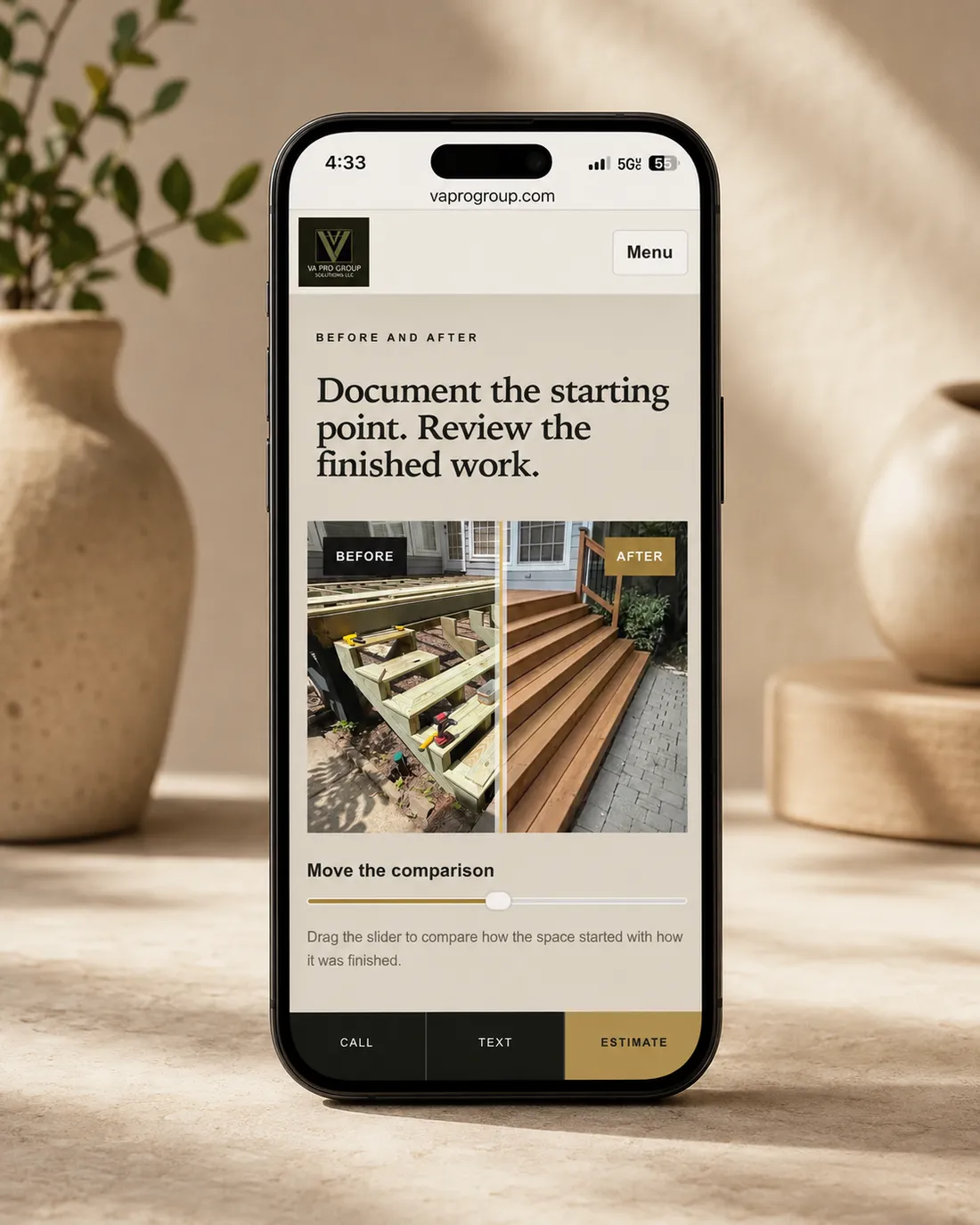
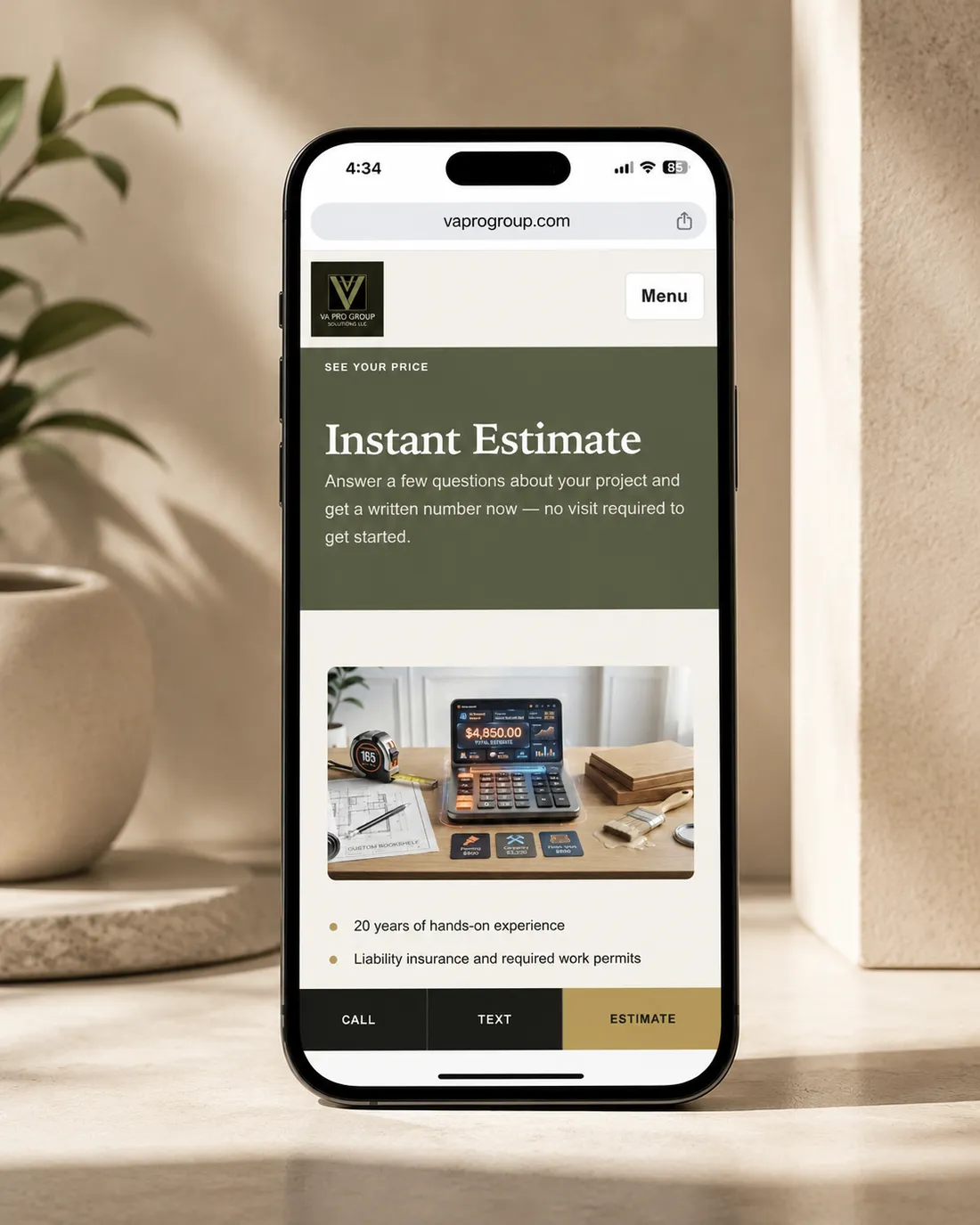
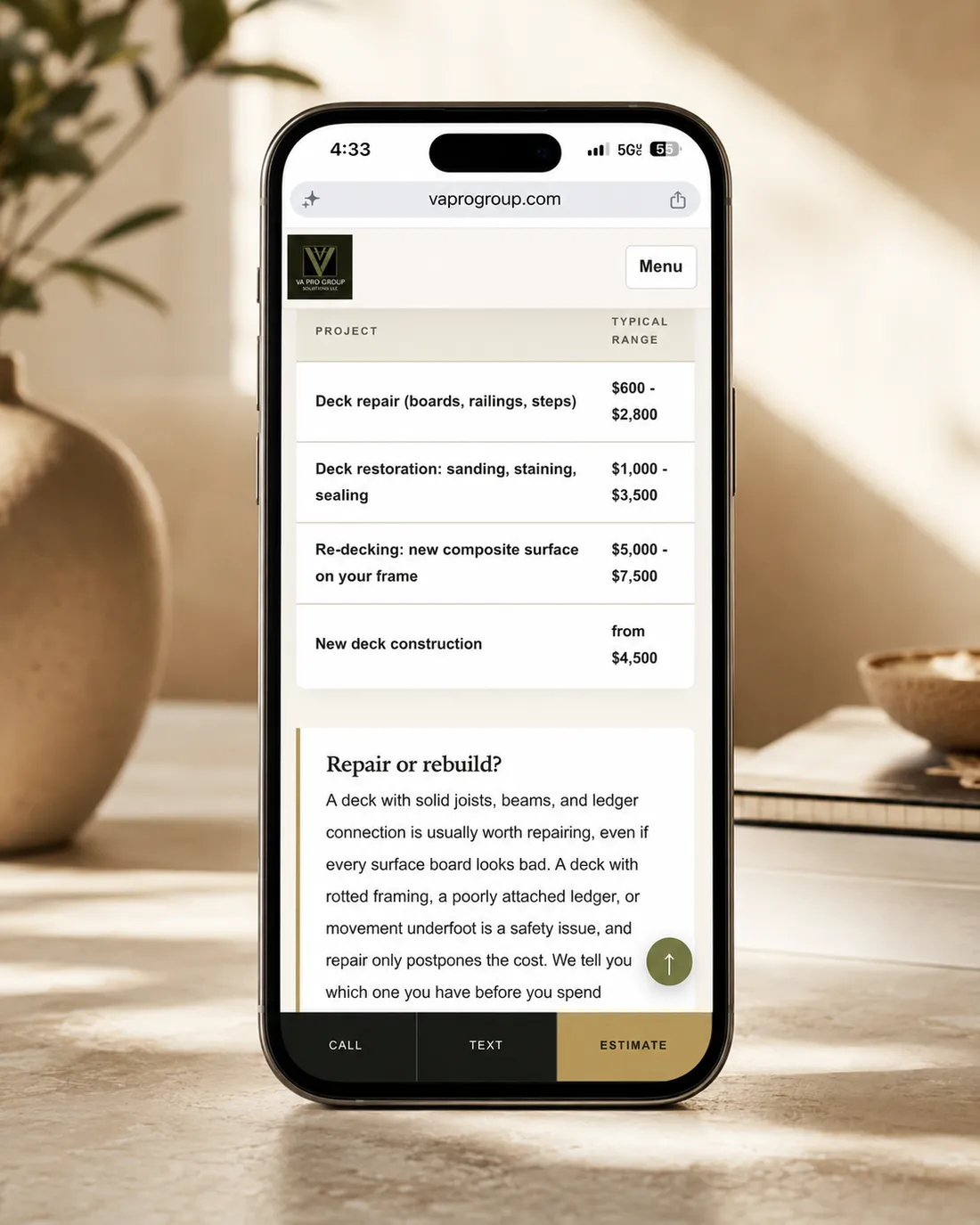
Clear services, real pricing where appropriate, a visible process, accurate company information, legal pages, privacy language, ownership details, project evidence, and consistent contact information all contribute to trust.
The website should also avoid signals that make the business look less established than it actually is — vague claims, exaggerated guarantees, manufactured urgency, inconsistent information, or promises that cannot be verified.
VA Pro Studio treats the website as part of the operating system because trust and operations are connected.
The public site sets expectations. The CRM receives the inquiry. The portal continues the relationship. The system should tell one consistent story from the first visit onward.